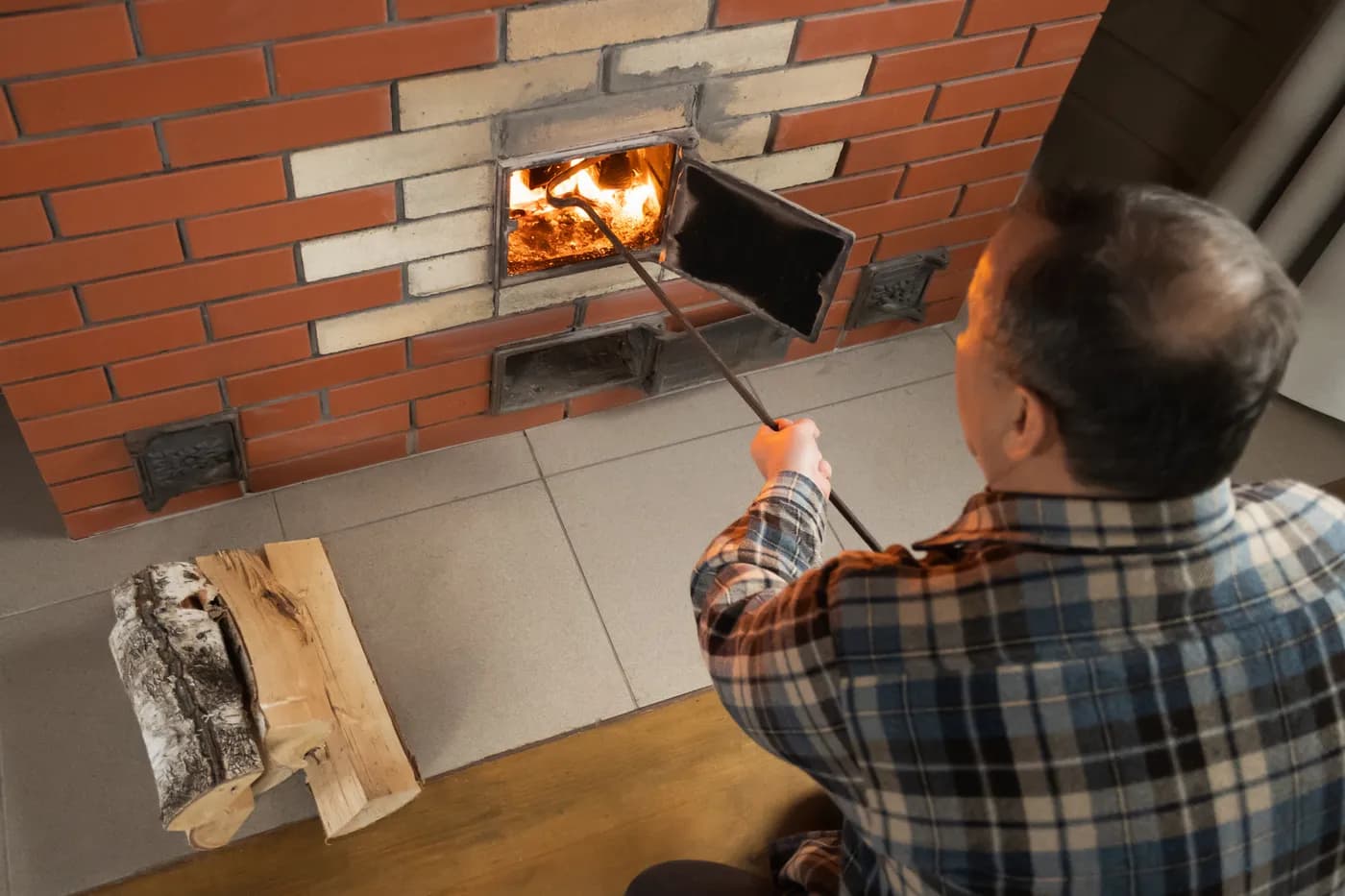
When living in North Texas, our winters are notoriously unpredictable. We might experience 70-degree sunshine one afternoon and a sub-freezing ice storm 24 hours later. Because our heating season is concentrated into brief, intense cold snaps, many homeowners wonder: How often does a chimney actually need cleaning if it's only used for a few months each year?
The 1/8-Inch Rule: Measuring Creosote Buildup
The standard guideline recognized by fire safety professionals is based on physical residue rather than calendar months. The Chimney Safety Institute of America recommends having your chimney swept whenever 1/8th of an inch of creosote deposits accumulate on the flue walls.
While that may sound like a very thin layer, creosote is highly combustible. During hot, roaring fires, this tar-like hydrocarbon can ignite, triggering internal flue fires that reach temperatures exceeding 2,000°F. In a masonry or prefabricated chimney, such extreme heat can crack clay flue tiles, warp metal liners, and ignite nearby attic framing timbers.
Factors Determining Cleaning Frequency for Local Homes
How quickly your chimney reaches that 1/8-inch threshold depends on several key usage patterns:
- Frequency of Fires: Lighting a fire every weekend throughout December, January, and February generates substantially more residue than burning a decorative Duraflame log twice a year.
- Moisture Content of Firewood: Burning green, unseasoned wood creates heavy, dense smoke that quickly cools and condenses onto cold flue tiles as sticky creosote. Well-seasoned hardwood with under 20% moisture burns cleaner and hotter.
- Fireplace Efficiency & Burning Habits: Smoldering fires that are starved of combustion air produce significantly more unburned hydrocarbons than bright, hot, well-oxygenated fires.
- Flue Geometry and Materials: Exterior brick chimneys exposed to North Texas wind chills cool down rapidly, causing smoke to condense much quicker than chimneys built inside interior home walls.
Why Annual Inspections Are Essential Regardless of Usage
Even if you only lit three fires all winter, annual maintenance remains vital. In the Dallas-Fort Worth and Rockwall County areas, chimneys face environmental threats during the off-season months. Severe spring thunderstorms, driving hail, and intense summer heat take a serious toll on exterior chimney structures.
Furthermore, spring brings nesting birds like chimney swifts, along with squirrels, wasps, and raccoons seeking refuge inside cool flues. Scheduling a professional chimney inspection each autumn guarantees that the flue passage is unobstructed by animal nests, that the damper opens freely, and that the chimney crown has not cracked from heat stress.
Signs Your Chimney Requires Immediate Cleaning
Do not wait for a scheduled annual visit if you notice any of these warning signs:
- Thick, black, shiny glaze or velvety black flakes lining the firebox or throat damper.
- A persistent campfire or acrid barbecue smell drifting from the hearth, particularly on warm, humid days.
- Smoke backing up into your living room rather than drawing cleanly up the flue.
- Slow, sluggish fires that struggle to stay lit despite using dry kindling.
- Sounds of rustling or chirping originating inside the chimney column.
If you observe any of these symptoms, arranging for certified chimney cleaning before lighting another fire is the safest course of action.
Best Practices to Keep Your Chimney Clean
You can dramatically reduce soot and creosote buildup between professional cleanings by adopting a few simple burning habits:
- Only burn seasoned hardwoods like Texas post oak, pecan, or hickory that have dried for at least six to nine months.
- Never burn treated construction lumber, painted wood, cardboard, or wrapping paper, all of which release toxic fumes and volatile chemicals.
- Warm the flue before lighting a full fire by holding a rolled newspaper torch near the damper to establish an upward draft.
- Keep the glass doors or mesh spark curtains closed while burning to prevent stray sparks from escaping.
Partner with Local Hearth Specialists
Whether you need a routine seasonal sweep or a full safety evaluation, Hearthguard Chimney Sweep provides honest, dependable service across Rockwall and neighboring towns. If you are looking for an experienced Rockwall chimney sweep, our certified technicians are ready to help ensure your fireplace is ready for winter's chill.