When summer's triple-digit heat finally subsides and crisp autumn air arrives in North Texas, thoughts turn to cozy evenings gathered around the hearth. However, after months of sitting idle during warm spring and summer weather, lighting your first fire without proper preparation can result in smoke-filled rooms, foul odors, or serious fire hazards. Here is your step-by-step winter fireplace preparation checklist.

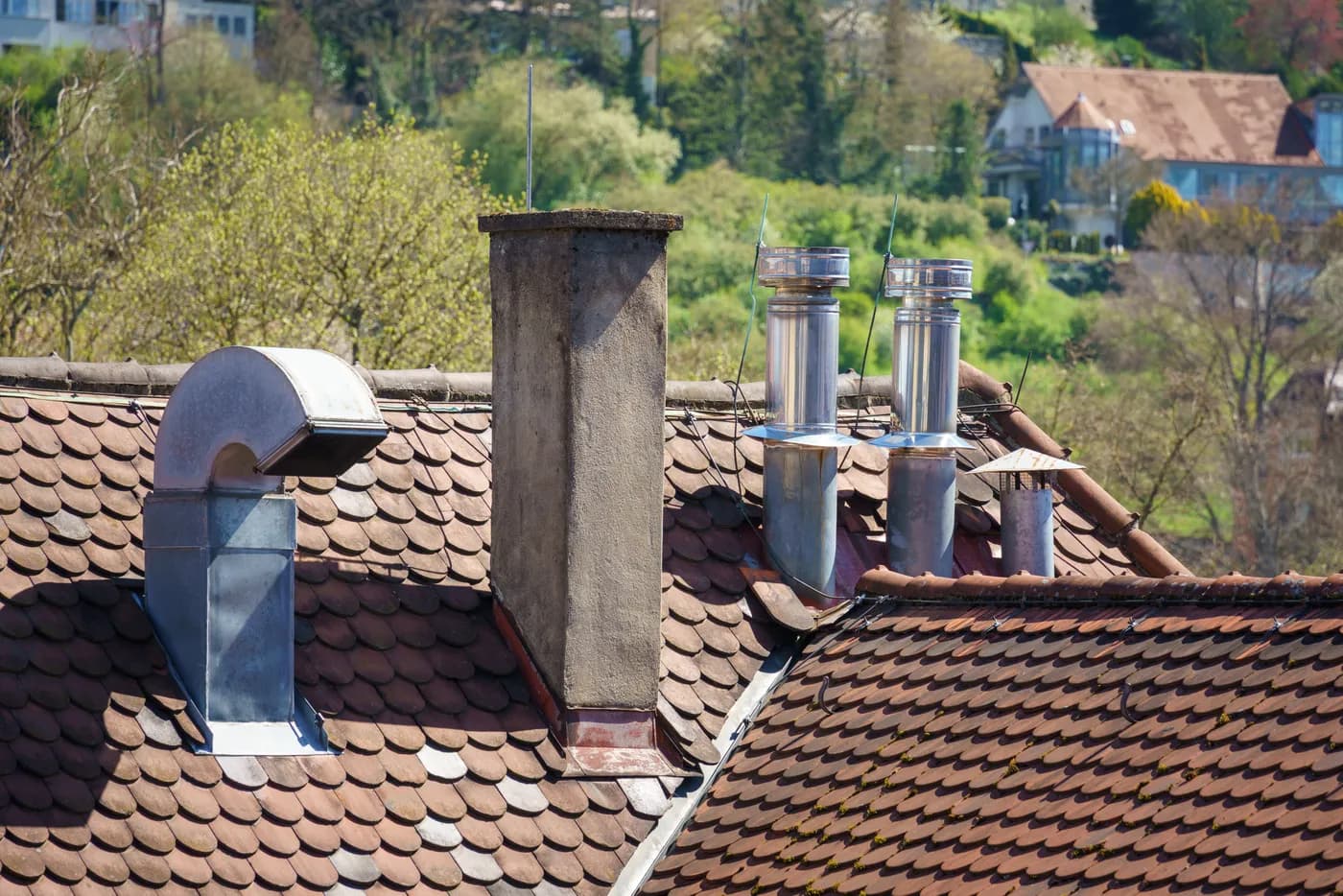
1. Inspect the Rooftop Cap and Exterior Masonry
Preparation begins on the roof before lighting a single match. During spring and summer, strong Texas storms, hail, and high winds can shift chimney caps, blow off storm collars, or crack mortar crowns.
- Verify that your chimney cap is securely fastened and that its wire mesh spark arrestor screen is clear of leaves and debris.
- Check for animal nesting activity; birds and squirrels frequently construct nests atop chimneys during spring.
- Examine the exterior masonry for cracked mortar joints, loose bricks, or rust stains that indicate water entry points.
2. Clean Out the Hearth and Firebox
Remove any leftover ash from the previous season. An ash bed deeper than one inch retains moisture, accelerating rust on metal grates and degrading firebox mortar. Shovel old ash into a designated metal container and vacuum the hearth with a designated ash or HEPA vacuum.
Inspect the firebrick and mortar lining the firebox walls. If you spot missing mortar or hairline cracks wider than 1/8th inch, professional masonry repair with refractory cement is necessary before starting fires.
3. Test and Lubricate the Damper Mechanism
Open and close the damper lever multiple times. The damper plate should pivot smoothly, swinging fully open without sticking and sealing tightly against the frame when closed. If the plate feels gritty or resists movement, use a high-temperature silicone lubricant to restore smooth movement.
4. Test Fireplace Draft and Prime the Flue
Before building a full fire, perform a quick draft test. Hold a lit match or candle near the open damper opening. If the smoke or flame pulls strongly upward into the flue, you have a natural updraft.
If the flame flickers into the room, your flue is filled with a dense column of cold air. To prime the flue, roll a sheet of newspaper into a torch, light the top, and hold it near the open damper for 30 to 60 seconds. The heat will displace the cold air plug and establish a robust upward draft.
5. Check Safety Alarms and Fire Extinguishers
Fireplace safety extends into your living room. The Chimney Safety Institute of America emphasizes that every home with a fireplace should feature functioning smoke detectors and carbon monoxide (CO) alarms on every level, particularly outside bedrooms. Replace alarm batteries each fall and verify that a working Class ABC fire extinguisher is readily accessible near the hearth.
6. Stock Well-Seasoned Firewood
Never burn unseasoned green wood, pressure-treated lumber, or painted wood scraps in your fireplace. Source dry hardwoods like Texas post oak, pecan, or ash that have been split and seasoned for at least six to nine months with moisture levels under 20%.
7. Schedule Your Annual Professional Checkup
While homeowner visual checks are essential, they do not replace a trained professional with specialized video diagnostic equipment. Scheduling a professional chimney cleaning and chimney inspection before cold snaps arrive ensures that hidden creosote deposits and internal liner fractures are resolved safely.
Ready Your Fireplace with Hearthguard
Take the guesswork out of winter fireplace preparation. Contact Hearthguard Chimney Sweep today to schedule your pre-winter inspection and enjoy warmth and safety all season long.